


How Sustainability and Luxury Coexist in Retail Furniture Design? Key Principles
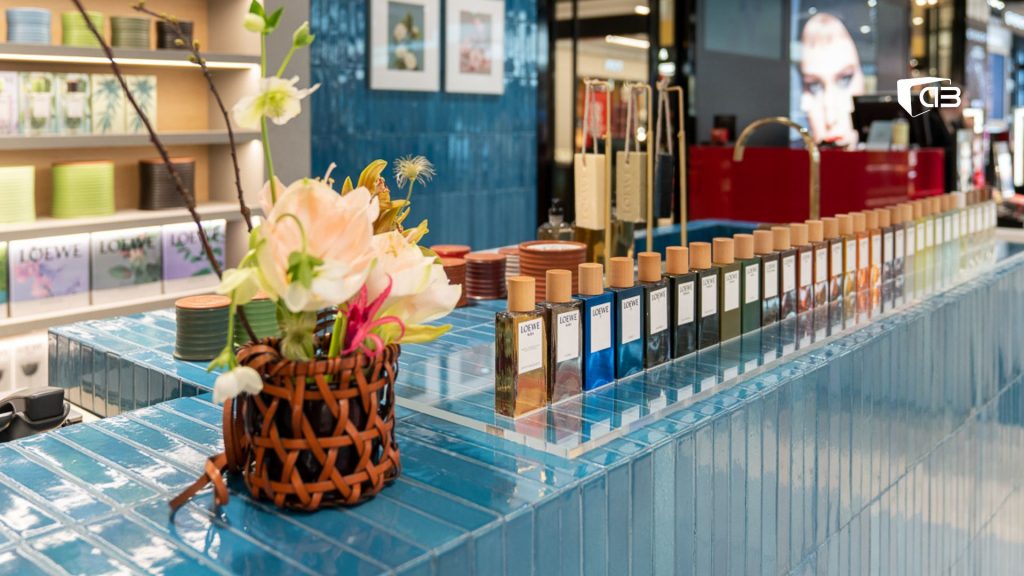
In luxury retail, a new reality has emerged. Today’s consumers are not only looking for quality and exclusivity, but also for environmental responsibility. This shift raises a key question for brands: is it possible to integrate sustainability into luxury retail design without compromising its essence?
The answer is yes. Sustainability is not only compatible with luxury; it is increasingly becoming a decisive differentiating value. More and more brands are redefining their retail furniture strategies to incorporate responsible practices while preserving the sophistication and precision the sector demands.
Sustainability has evolved beyond materials and production processes to reach the point of sale itself. Growing consumer awareness has pushed brands to adopt a more comprehensive and integrated approach. Let’s explore why.
What Is the Profile of Today’s Luxury Consumer?
Today’s luxury consumers are far more aware of their environmental footprint. Delivering an exceptional product is no longer enough: brands are expected to demonstrate transparency in their processes, a genuine commitment to environmental responsibility and respect for ethical standards.
Recent studies indicate that over 70% of luxury consumers prefer brands that actively demonstrate a sustainable approach. This preference directly influences material selection, store design and the lifecycle of every retail element. As a result, sustainability is no longer an add-on, but an integral part of brand identity.
How Sustainability Shapes Luxury Retail Furniture Design
In retail furniture design, sustainability means making responsible decisions at every stage of the process: from material selection to energy efficiency, as well as considering reuse or recycling at the end of the furniture’s lifecycle.
Key factors in sustainable retail furniture design include:
Conscious Material Selection
Material choice is one of the most critical decisions. To align luxury retail design with sustainability principles, brands increasingly opt for:
- Recycled and recyclable materials, such as certified woods, recovered metals or organic textiles.
- Locally sourced materials to reduce the carbon footprint associated with transport.
- Non-toxic, low-impact finishes that protect both workers and customers and do not affect the final product.
- Environmental certifications that guarantee responsible extraction or manufacturing processes.
Using noble and sustainable materials not only responds to environmental concerns, but also adds authenticity and singularity to the space.
Efficient Use and Consumption of Energy
A sustainable retail design considers energy efficiency as a fundamental pillar. Many committed brands have:
- Integrated low-consumption, long-lasting lighting solutions.
- Designed spaces that maximise natural light, reducing energy dependency.
- Implemented smart lighting and climate control systems that adjust to real store occupancy.
Beyond reducing environmental impact, this approach lowers long-term operational costs and reinforces a brand’s commitment to responsible retail.
Modular and Reusable Design
Designing with the future in mind is another key aspect of sustainability. Modular furniture solutions allow brands to adapt spaces to new collections or visual updates without replacing entire elements.
Furniture that can be easily dismantled, repaired or recycled extends its lifecycle, reduces waste and supports a more responsible approach to luxury retail development.
How Do Materials, Supply Chain and Traceability Impact Sustainability in Luxury Retail?
Sustainability in luxury retail furniture goes beyond selecting attractive, high-quality materials. It requires a holistic view of the entire lifecycle, considering four essential aspects:
Materials
Sustainable materials should:
- Come from renewable sources or controlled recycling processes.
- Hold internationally recognised sustainability certifications.
- Offer durability and low maintenance, reducing the need for frequent replacement.
Examples include certified noble woods, high-purity recycled metals, bio-based plastics and ecological textiles.
Supply Chain
A transparent and controlled supply chain is essential to ensure real sustainability:
- Prioritising local suppliers whenever possible to reduce transport-related emissions.
- Ensuring ethical and responsible sourcing practices.
- Collaborating with manufacturers that implement sustainable production policies, such as renewable energy use and responsible waste management.
A well-structured supply chain not only reduces environmental impact, but also strengthens brand credibility.
Traceability
Traceability is a key factor in validating sustainability commitments:
- Clear documentation of material origin and transformation processes.
- Verifiable labels and certifications for each component.
- Environmental impact records associated with production and transport.
Transparency builds trust and increases the perceived value of the retail space.
Environmental Impact
Finally, evaluating the potential environmental impact of materials and processes is essential:
- Avoiding aggressive, volatile or toxic chemical treatments.
- Prioritising natural or low-impact finishes that do not release harmful substances indoors.
- Considering end-of-life scenarios: furniture designed for reuse or recycling reduces environmental burden and protects long-term investment
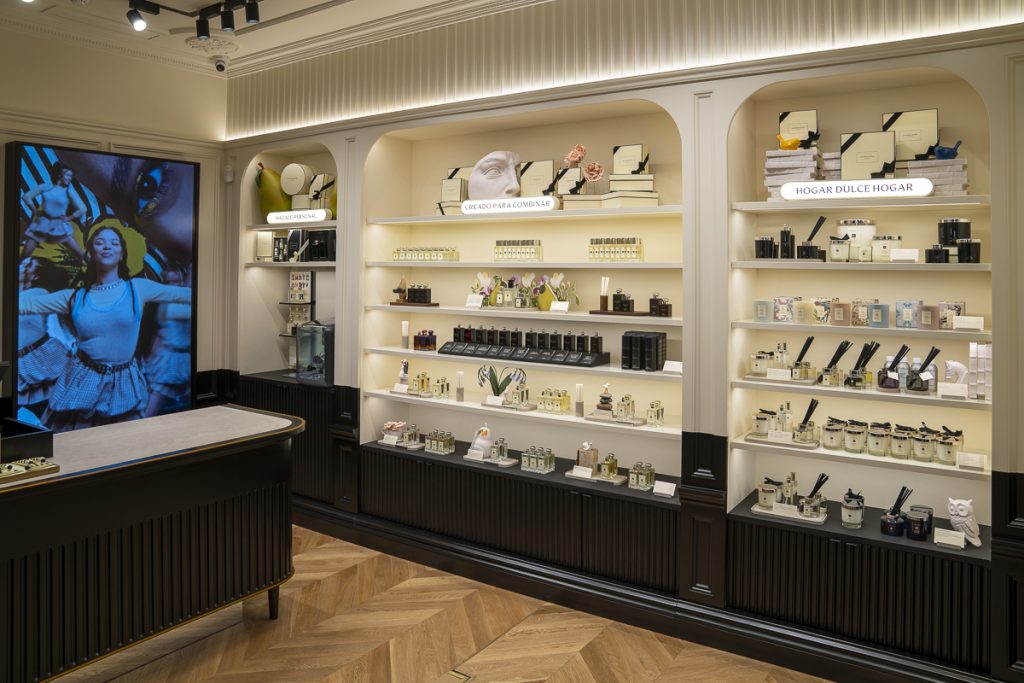
What Are the Key Steps to Implement Sustainable Design in Luxury Retail?
To integrate sustainability effectively into luxury retail projects, brands should:
- Define clear sustainability criteria from the initial project briefing.
- Communicate efforts transparently through in-store information or digital channels.
- Measure, audit and continuously optimise processes, understanding sustainability as an evolving journey.
- Last but not least: working with specialized sustainable retail furniture partners
Working with Specialized Sustainable Retail Furniture Partners
Sustainability in luxury retail design is no longer optional. Selecting responsible materials, optimising energy use and planning the full lifecycle of retail furniture are essential steps to creating spaces that stand out for both their aesthetics and their environmental awareness.
In contemporary luxury, sustainability does not diminish exclusivity; it redefines it for a more responsible future. Choosing partners genuinely committed to sustainable processes is therefore a strategic decision.
At Aluma3, sustainability is not treated as a trend, but as a long-term commitment embedded in every stage of the process—from the first design concept to final installation in-store.
FAQs · Sustainability in Luxury Retail Furniture
Is sustainability compatible with luxury retail design?
Yes. When approached through quality materials, durability, controlled processes and thoughtful design, sustainability enhances luxury rather than diminishing it.
Does sustainable furniture compromise aesthetics or finishes?
No. Sustainable materials and finishes can meet the highest aesthetic and technical standards when properly selected and manufactured.
Why is durability considered a sustainable value?
Because furniture designed to last reduces the need for replacements, lowers waste and preserves the visual integrity of the space over time.
How does controlled manufacturing contribute to sustainability?
It reduces material waste, avoids errors and rework, optimises resources and allows better recycling and waste management practices.
Is modular furniture suitable for luxury brands?
Yes. Modular solutions can be designed with the same level of refinement while offering flexibility, adaptability and long-term sustainability.
Why is traceability important in sustainable retail projects?
Traceability ensures transparency, builds trust and allows brands to verify that materials and processes truly meet sustainability standards.