



When Luxury Travels: The Precision Behind an International Pop-Up
A technical look at the development of airport pop-up stores and the challenges of executing them in 24/7 environments.
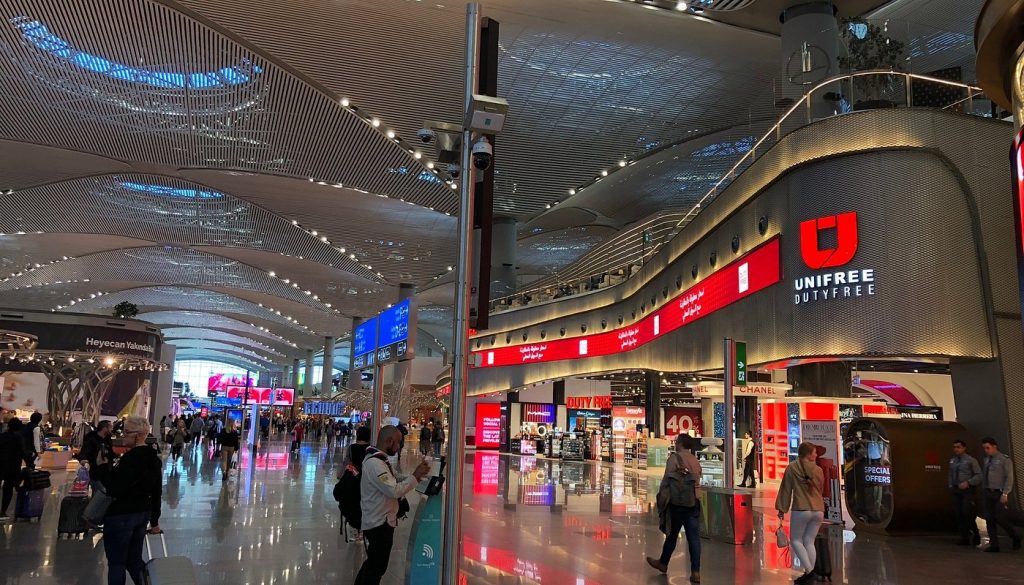
For several years now, airports have ceased to be mere transit points for travelers. They have become international commercial hubs where luxury brands encounter a global audience ready to consume. In these environments where time and mobility are constant, pop-up stores have consolidated their position as a powerful experiential marketing strategy, combining exclusivity, convenience and desire.
An airport pop-up store is a temporary retail space located within a terminal designed to capture the attention of international travelers in transit, operating within a highly regulated and high-traffic environment. These stores not only bring luxury closer to travelers but also reinforce brand positioning among a global audience. Consumers often perceive additional advantages as well: shopping for luxury products in airport retail is frequently associated with a kind of “smart purchase,” thanks to duty-free benefits and travel convenience—without compromising quality or prestige.
The airport environment therefore represents a unique opportunity: high foot traffic, premium visibility and a global customer profile. Brands such as Dior, Chanel, Guerlain, Burberry and Louis Vuitton take advantage of this setting to launch limited editions and duty-free exclusive collections—creating personalized experiences for frequent travelers.
In general terms, any pop-up installed in an airport must be conceived as a technical project before an aesthetic one.
Advantages of Airport Pop-Up Stores for Luxury Brands: An opportunity for both brands and travelers
Luxury pop-up stores in airports represent a perfect symbiosis between visibility, exclusivity and experience. For brands, these spaces have become strategic platforms to connect with a global audience in a unique context: that of the international traveler—someone predisposed to purchase, with high purchasing power and time available between flights.
Benefits for luxury brands
- Global and segmented exposure: International airports gather premium audiences from different cultures, allowing brands to position themselves in front of millions of travelers annually without relying on the traditional location of a boutique.
- An environment free from direct competition: Unlike urban retail environments, retail space within airport terminals is carefully curated. This ensures privileged visibility and a level of exclusivity that enhances both store design and the overall shopping experience.
- Launch of exclusive collections or products: Many luxury houses use the pop-up format to introduce limited editions or personalized experiences, creating a sense of urgency and desire directly linked to the context of travel.
- Strengthening brand image: A well-executed installation that remains faithful to the aesthetics and values of the brand communicates innovation, dynamism and sophistication in an internationally controlled environment closely associated with the premium segment.
Benefits for travelers
- Tax exemptions or reductions
- Convenience and accessibility
- Exclusive shopping experiences
Overall, luxury pop-up stores in airports combine the best of experiential retail with commercial intelligence: high profitability, strategic brand positioning and the loyalty of a global customer constantly moving through a high-traffic environment.
What Makes Airport Retail Different from Urban Retail?
Unlike urban retail environments, airports operate without interruption, require specific permits, limit intervention times and concentrate an international audience with a strong predisposition to purchase. This set of factors turns airport pop-ups into a strategic and highly regulated retail format that cannot simply be replicated on the street.
In an airport pop-up, four factors shape the entire project:
- specific permits
- limited installation times
- strict security regulations
- continuous passenger flow in a 24/7 operating environment
In short, an airport pop-up store combines high visibility, a global audience ready to buy, strict regulation and millimetric execution—a combination that explains why this format has become a key tool in international luxury retail.
The Invisible Engineering Behind Luxury Airport Pop-Ups: Installation and design challenges in 24/7 environments
Luxury, by definition, is built on technical precision. Installing a pop-up store in an airport involves overcoming a series of logistical challenges that go far beyond aesthetic design. These spaces must be installed in record time, using certified materials and complying with strict airport safety regulations—without interfering with the terminal’s continuous operations.
Construction and installation work must be coordinated during nighttime hours or low-traffic periods, without disrupting the activity of an environment that never stops. This requires meticulous planning, durable modular materials and electrical or structural systems designed for quick assembly and dismantling.
At this point, sustainability has also become an essential criterion. Luxury brands increasingly incorporate recycled materials, reusable structures and certified finishes, all with one goal: minimizing environmental impact without sacrificing sophistication. The precision of installation and the durability of materials are just as important as the brilliance of the brand itself.
Two Types of Customer, Two Shopping Experiences
Experience design in airport environments must respond to two seemingly opposite profiles:
The traveler with time, who wants to explore and enjoy a complete sensory experience.
The traveler in a hurry, who seeks efficiency and clear product presentation for a quick purchase before boarding.
Transit areas, passenger flows and visibility from different angles become determining factors in the design of an airport pop-up store. This is especially true in luxury retail, where the space must impress within seconds while also inviting travelers to stay longer if they have time.
In this context, luxury becomes tactical: brief, impactful and memorable.
Three Examples Redefining Airport Luxury Retail
Pop-up stores offer luxury brands an opportunity to grow within an international market characterized by constant traffic and strong purchasing intent. Several examples illustrate how the standard of temporary airport retail continues to rise.
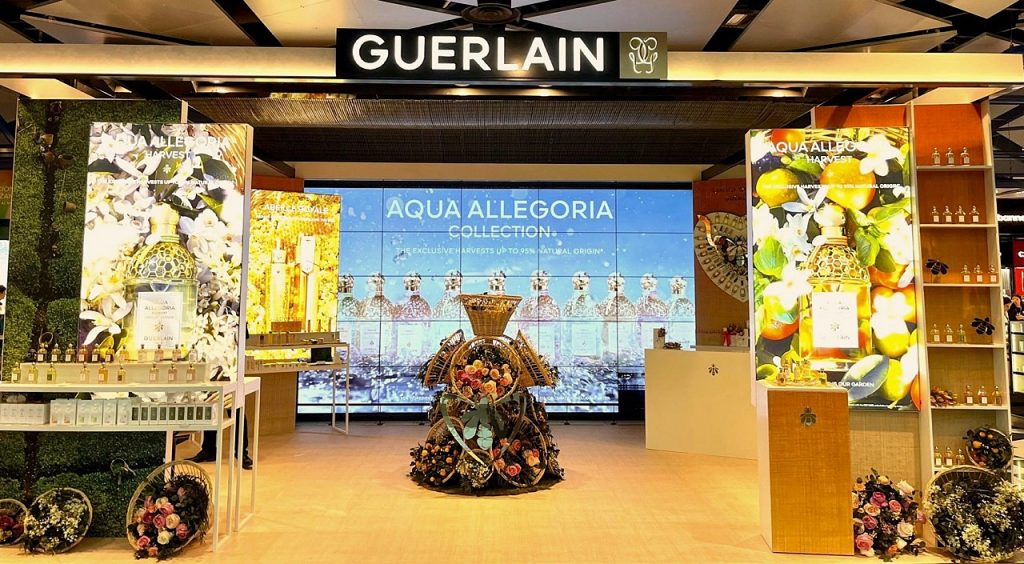
Guerlain at Barcelona El Prat Airport
The French maison transformed part of the Duty Free area into a multisensory pop-up store dedicated to perfume. Travelers can discover fragrances through an immersive installation combining backlit panels, diffused aromas and luminous surfaces.
The result is an ephemeral space that is elegant and sustainable. Guerlain’s pop-up at El Prat has become a reference point for how sensory experience and sustainable materials can coexist in airport retail.
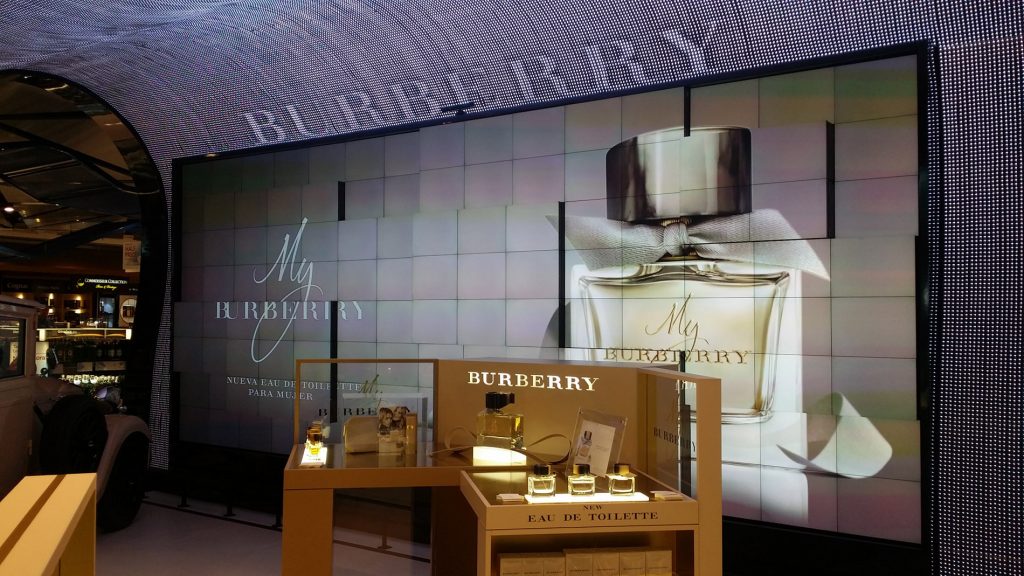
Burberry at Barcelona Airport
Burberry installed a pop-up store that reinterprets its iconic style with a contemporary approach. Using modular aluminum structures and certified wood, the design adapts to the technical restrictions of the airport environment.
Fast installation and maximum visibility from passenger transit routes were key aspects of the design. The store also included a “grab & go” area for travelers in a hurry and a separate accessory testing zone for those with more time before their flight—two complementary approaches demonstrating how luxury can be both agile and immersive.
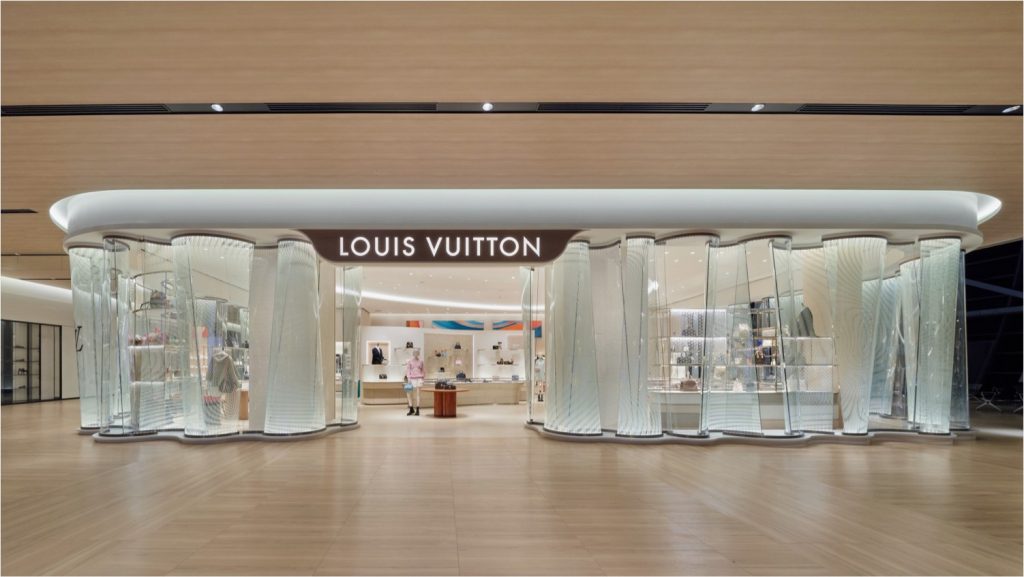
Louis Vuitton at Incheon International Airport (Seoul)
Incheon, one of Asia’s most dynamic luxury hubs, hosted a Louis Vuitton pop-up dedicated to the brand’s Horizon leather goods collection. Featuring reflective panels and polished steel structures, the installation recreated the interior of an aircraft cabin.
The project highlighted the dialogue between travel and luxury, elevating the concept of the airport as a space of art, exclusivity and global retail experience.
The Precision Behind the Installation
Design, installation and execution in airport environments
Behind the apparent beauty of a luxury pop-up store lies a highly complex technical and logistical process. Installing these spaces in airports—environments operating 24 hours a day, 365 days a year—requires millimetric coordination between design, engineering, assembly and operational permits.
In real projects within international terminals, the margin for error simply does not exist. Everything must work perfectly the first time.
Design: balancing aesthetics and functionality
Designing a pop-up store in an airport means balancing visual impact, ergonomics and logistical functionality. Spaces must be easily accessible, allow fluid circulation, adapt to the architecture of the terminal and avoid interfering with passenger flows.
At the same time, the aesthetic must convey the brand’s sensory identity under the specific conditions of airport environments: controlled lighting, structural restrictions and limited installation windows.
Installation and assembly: speed and precision
Time is the greatest challenge when installing a pop-up store in an airport. Installations are typically carried out during nighttime or low-activity windows, meaning that every minute counts.
Structures must therefore be designed as lightweight yet resistant modules, prefabricated and certified to ensure fast and safe assembly. Durable materials such as recycled aluminum, treated woods and fire-resistant composites are commonly used, improving sustainability while ensuring durability under constant passenger traffic.
The importance of specialized technical teams
In airport pop-up stores, the experience of the design, manufacturing and installation team is decisive. Only professionals with deep knowledge of airport environments—such as Aluma3—can manage these projects effectively.
Security permits, accessibility standards, customs controls and time restrictions all play a crucial role. Expertise in harmonizing technical execution with aesthetic coherence ensures that the final result meets the expectations of luxury retail: impeccable, precise and memorable.
Conclusion: Why Airport Pop-Up Stores Will Continue to Grow
Airport pop-up stores combine a high-traffic international environment with a complex and regulated operational window. This combination—global audience ready to purchase plus millimetric technical execution—explains why the format has become a strategic tool for luxury retail.
As airports increasingly consolidate their role as commercial destinations rather than simple transit points, the presence of luxury pop-ups will continue to grow.
At Aluma3, we specialize in the development, manufacturing and installation of retail furniture and spaces for international luxury brands. Our technical expertise and experience in complex environments such as airports allow us to transform brand concepts into precise, executable retail installations that meet the highest standards of quality, timing and operational efficiency.
From technical development to final installation, we work to ensure that every project is executed with the level of precision that premium retail environments demand.
Frequently Asked Questions About Airport Pop-Up Stores
What is an airport pop-up store and why is it used?
It is a temporary retail space located within a terminal designed to generate visibility and sales in a high-traffic international environment. The format captures travelers at a moment of decision and strong purchase intent.
What advantages does an airport pop-up offer compared with a traditional boutique?
Greater exposure to global travelers, a perception of exclusivity and, in many cases, tax advantages associated with duty-free retail.
Why do luxury brands choose airports for their pop-up stores?
Because airports bring together an international audience with high purchasing power in an environment with constant traffic and premium visibility.
What differentiates an airport pop-up from a city pop-up?
Airport installations involve shorter assembly times, stricter regulations and continuous passenger flow, requiring greater technical precision and planning.
What technical challenges does installing a pop-up in an airport involve?
Permits, nighttime execution, certified materials, airport security regulations, uninterrupted logistics and rapid dismantling without affecting operations.
What are brands seeking when installing pop-ups in duty-free environments?
Launching exclusive products, reinforcing premium brand image and capturing a global buyer at a moment of high purchasing predisposition.